

Close Out the Project
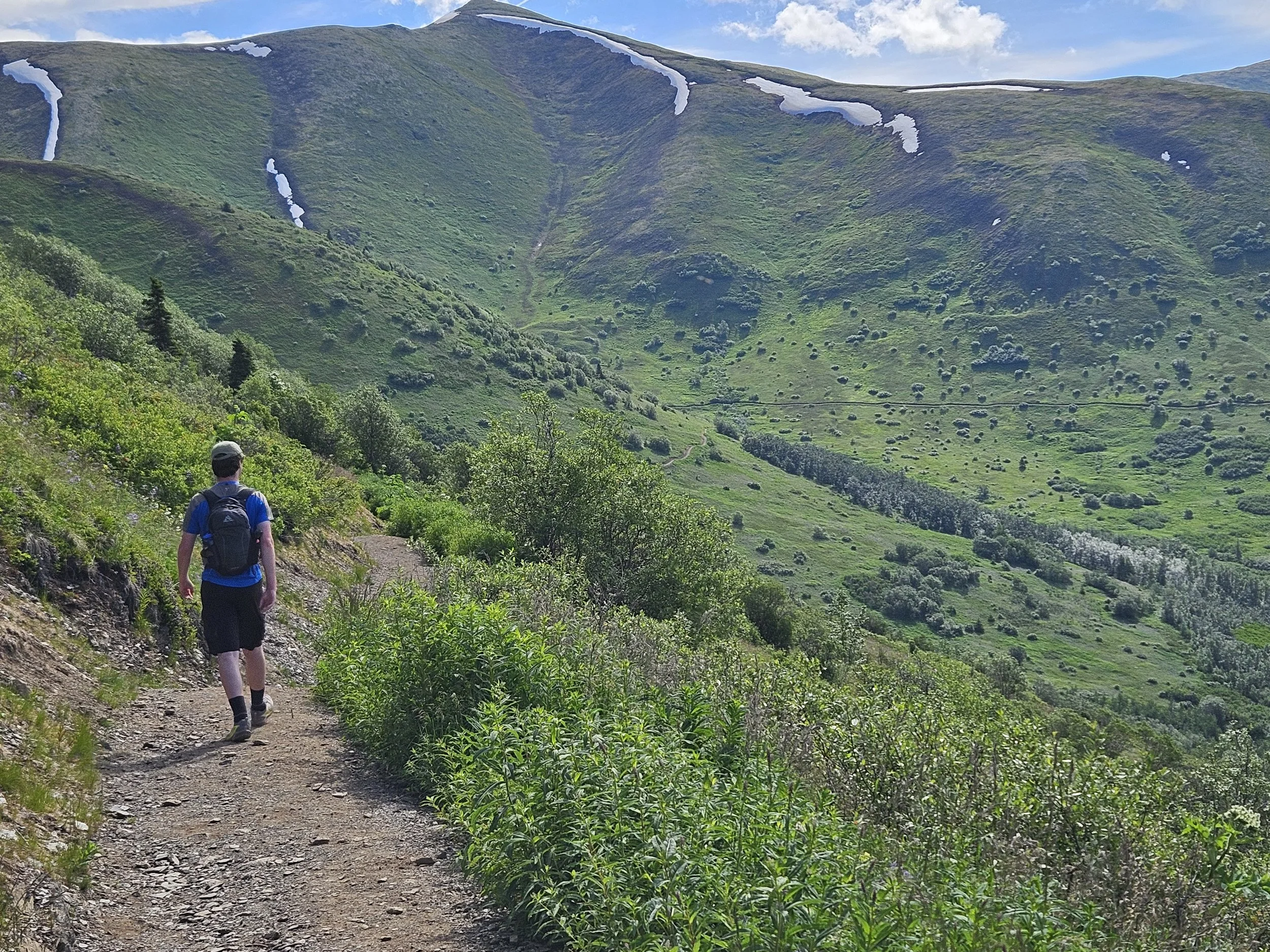
Photo: Happy Trails

Project closeout involves more than finishing construction. It is the process of confirming that work meets contract requirements, resolving outstanding items, finalizing payments and documentation, and transitioning the completed trail to the owner or land manager.
Key elements include:
Final inspections, acceptance, and punch lists
Resolving outstanding work and contract requirements
Final payments and documentation
Handoff to the owner or land manager
Ongoing maintenance responsibilities and any applicable warranties
Final Inspections, Punch Lists, and Acceptance
As construction nears completion, the project owner and contractor should review the completed work together to confirm that it meets the agreed-upon scope, specifications, and project expectations.
Conduct a final site inspection: Walk the completed trail with the contractor and other appropriate project representatives to review construction quality, drainage, structures, trail features, and site restoration.
Develop a punch list: Document incomplete work, deficiencies, or corrections needed before final acceptance. Clearly identify responsibilities and timelines for completing outstanding items.
Verify corrections: Confirm that punch list items have been addressed and document their completion.
Confirm project completion: Determine whether the work meets the contract requirements and is ready for acceptance, including any required agency or third-party inspections.
Document acceptance: Complete any required written approvals or acceptance documentation in accordance with the contract.
Final acceptance should be based on the agreed-upon scope and contract requirements, rather than introducing new expectations or additional work at the end of the project.
Final Payments and Documentation
Once construction is complete and outstanding items have been addressed, the project owner and contractor should finalize payments and close out remaining contract requirements.
Review final invoices: Verify completed work, final quantities, approved change orders, and any outstanding costs against the contract.
Resolve outstanding payments: Process final payments and release retainage, if applicable, in accordance with contract requirements and completion of required corrections.
Confirm contract requirements: Complete any remaining inspections, approvals, certifications, or other documentation required for closeout.
Collect final project records: Obtain applicable as-built plans or alignment updates, construction documentation, material information, and other agreed-upon deliverables.
Maintain project records: Retain final contracts, change orders, payment records, inspection reports, and acceptance documentation for future reference.
A complete project record supports accountability, future maintenance, and management of the completed trail.
Project Handoff and Ongoing Maintenance
A clear project handoff marks the transition from construction to ongoing trail management. The owner or land manager should have the information, resources, and responsibilities in place to maintain the completed trail and protect the investment over time.
Confirm the handoff: Establish when responsibility for the completed trail transfers to the owner or land manager, including any remaining contractor obligations and when the trail may open for public use.
Provide maintenance guidance: Transfer any agreed-upon maintenance recommendations, instructions for specialized features, or Operations and Maintenance (O&M) Plans developed as part of the project.
Clarify maintenance responsibilities: Confirm who will be responsible for ongoing inspections, routine maintenance, repairs, and management of the completed trail.
Transfer project information: Ensure relevant maps, as-built documentation, and other agreed-upon resources are available to those responsible for managing the trail.
Plan for ongoing maintenance: Establish appropriate inspection and maintenance schedules, particularly following major storms, seasonal changes, or periods of heavy use.
Even well-designed and professionally constructed trails require regular maintenance. A clear handoff helps land managers understand their responsibilities, protect their investment, and address issues before they become larger problems.

Warranty and Maintenance Considerations
Trails are built in dynamic natural environments and require ongoing maintenance. Weather, drainage, vegetation, soil conditions, and trail use can affect performance after construction is complete.
Some trail contractors offer limited workmanship warranties, while others do not. When warranties are included, their terms should be established in the contract and clearly distinguish between:
Construction deficiencies: Defects in workmanship or materials within the contractor's agreed-upon scope.
Routine maintenance: Activities such as clearing drainage features, managing vegetation, repairing normal tread wear, and maintaining specialized features.
Normal wear and external impacts: Changes resulting from trail use, severe weather, natural events, vandalism, or modifications by others.
Any warranty should clearly define its duration, coverage, exclusions, maintenance responsibilities, and procedures for addressing concerns.
A warranty is not a substitute for ongoing trail maintenance.